Tur Abdin · Batman Province
Yerdo
“running spring”
A village in south-eastern Turkey became a community now spread across half of Europe. This site holds together what the departure scattered: the history of the village, the photographs and the family tree of the Yerdoye.
Latest
From the community
27. August 2026
Building our chapel in Yerdo
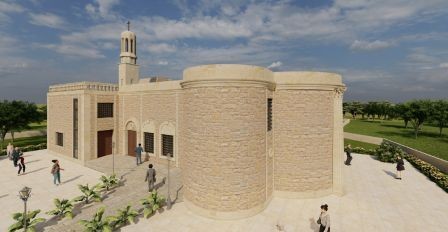
Planning for the construction of our chapel on the cemetery grounds is in its final stages. The chapel is meant to be a visible sign of our bond with Yerdo and our shared history, and at the same time to honour and commemorate our departed ancestors.
Now that we have finally received confirmation from the tax office that the Tur Abdin Kulturverein e.V. Neuburg may issue donation receipts, we ask everyone who has been waiting to support our joint project.
From Sunday, 30 August 2026 we will be back in Tur Abdin. On site we will continue with the detailed planning, hold talks with the companies involved and take the next steps towards awarding the contract.
Donation account
- Account holder: Tur Abdin Kulturverein e.V.
- IBAN:
DE57 7216 9756 0000 9048 21 - BIC:
GENODEF1ND2 - Bank: VR Bank Neuburg-Rain eG
- Reference: Bau Kapelle in Yerdo + name, address and email address
To carry the funding together as a village community, we kindly ask for the following contributions:
- €750 per family / married couple
- €500 per single working person
Any other support is of course just as welcome. Friends and supporters who are not from Yerdo are warmly invited to take part in our joint project as well.
The Tur Abdin Kulturverein e.V. Neuburg takes responsibility for carrying out and completing the chapel. It is a separate registered association and carries out the project together with our village community. Donation receipts will be issued for the contributions received.
Our heartfelt thanks go to all Yerdoye, friends and supporters who help make this special project happen – for our community and in memory of our ancestors.
Yerdo in numbers
Origins
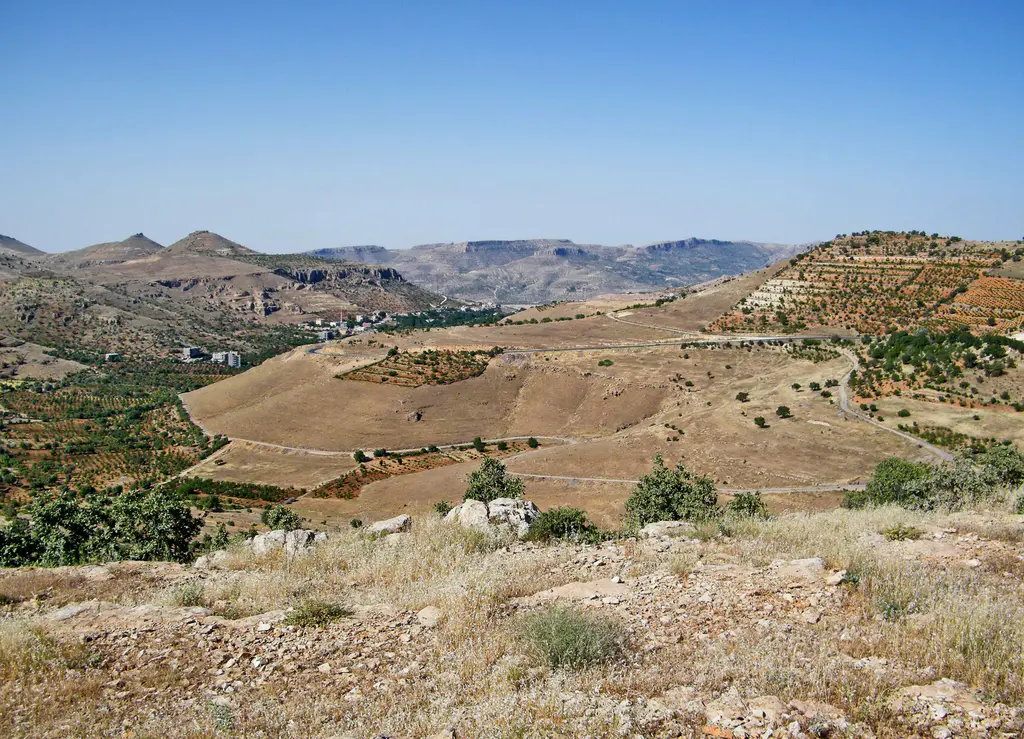
A village between the Tigris and Karakas Dagi
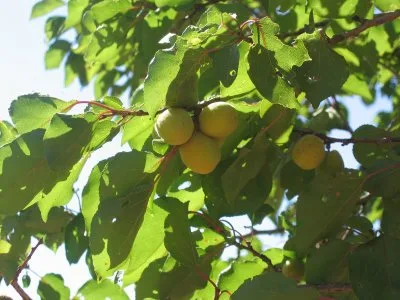
Yerdo lies in the north of Tur Abdin, one kilometre from the ruins of Babesh. The village was known for its springs and its green gardens with figs, grapes and melons – in a landscape that is otherwise dry. People lived from simple farming, livestock and crops – under conditions much like medieval Europe.
Yerdo had a Christian population that lived side by side with the Kurdish-Muslim one for a long time. Especially during the 1980s many Christian villagers emigrated to Europe. Of around thirty Christian families not one remains in the village today. The last was the family of Musa Cetraz and his wife Tarzo; after Musa died on 31 August 2021, Tarzo left as well.
Where the Yerdoye went
Today the village lives in Europe
These are the places we know of from our regional representatives. Yerdoye live elsewhere too – if your town is missing, please get in touch.
Germany
- Gütersloh · Verl
- Ahlen · Hamm
- Bielefeld · Harsewinkel
- Gronau
- Hamburg
- Heilbronn
- Aschaffenburg · Großostheim
- Augsburg · Neuburg a. d. Donau
- Memmingen · Bebra
Sweden
- Stockholm
- Södertälje
- Örebro
Belgium
- Brussels
- Jette
- Opweek
Switzerland
- Individual families
Photographs
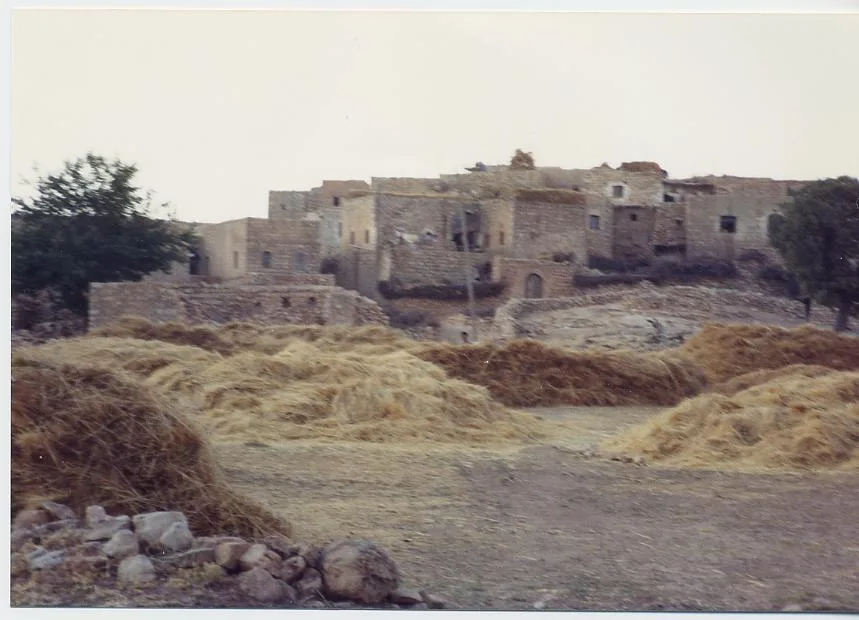
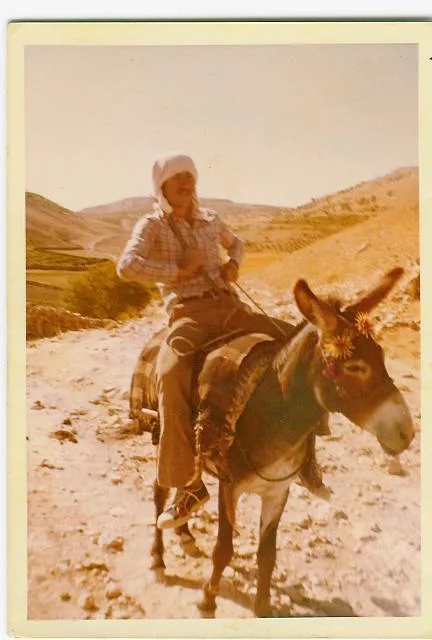
The village as the Yerdoye know it
Together for Yerdo
So that more remains of the village than memory
The Tur Abdin Kulturverein e.V. in Neuburg an der Donau works for the culture and the people of Tur Abdin. In Yerdo it is currently building the chapel on the cemetery grounds – a place to remember those who came before us. Further projects in the village are being planned.
If you would like more of Yerdo to remain than photographs and stories, you can take part: with a donation, with your time, or with what you know about the village. Every contribution preserves a piece of origin.
For members
The family tree of the Yerdoye
Across eleven generations, 1,872 people are recorded – with parents, siblings, children and, where available, a photograph. Almost all families of the village are related to one another; the family tree shows how.
Out of respect for the people it contains, the family tree is not public. Members register with their email address. The committee checks the details and then grants access.